
8 French composers you should know
Posted by Josh on 5th Jan 2026 in the blog in the french culture category
- Share:
-

-

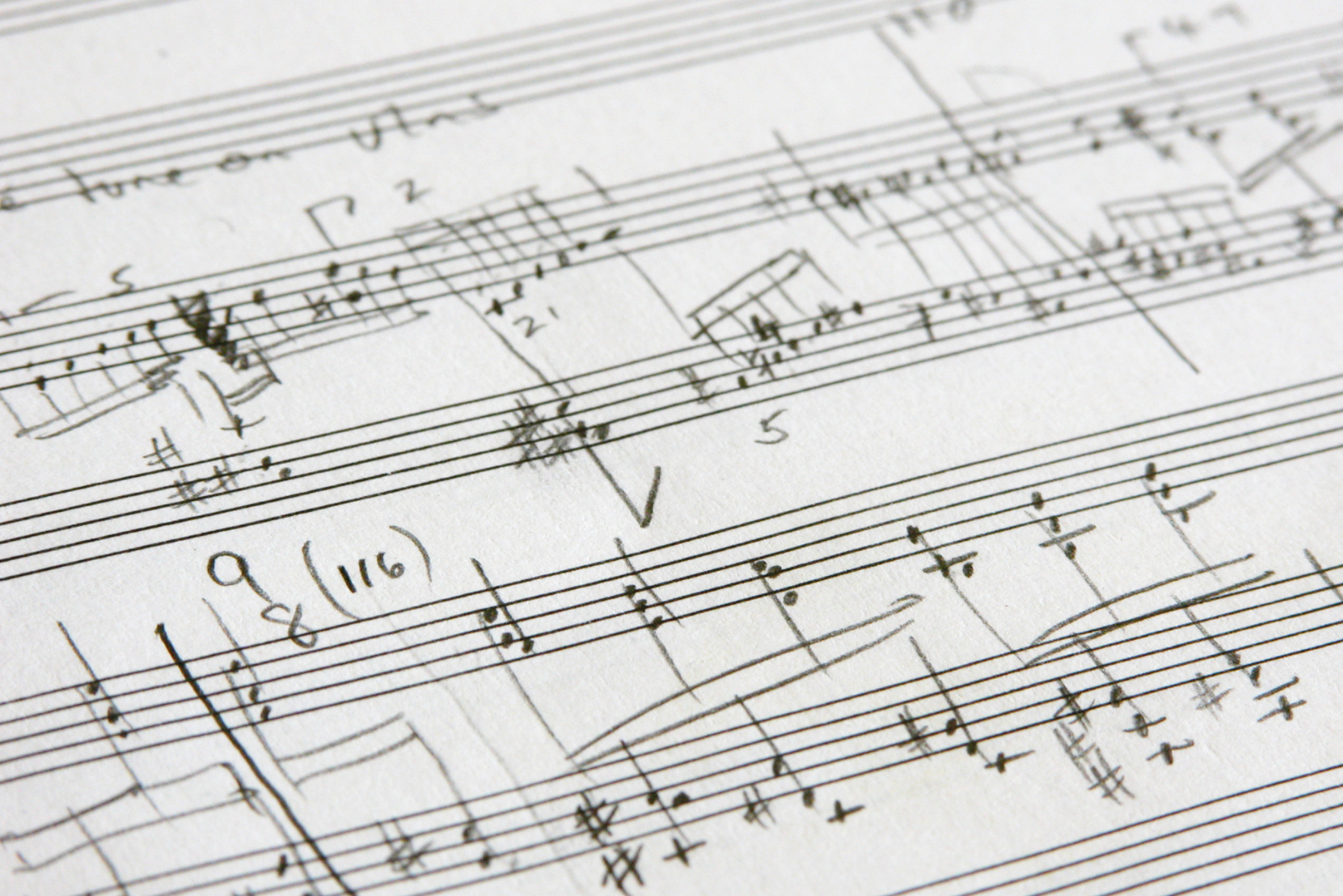
France has a booming music industry - but this is nothing new. The country has longed produced musicians of incredible talent, and been at the forefront of musical culture as it has developed over the centuries.
Many of the world's most famous composers were French - or at least lived in France, as is the case with Chopin, not to mention Liszt and Rossini. And you'll notice that many of the names in this list were active in the 19th century, when France had cemented itself at the cultural heart of Europe following the turmoil of the French Revolution. This was a fruitful time for French composers, who enjoyed an unprecedented degree of funding and state sponsorship, as well as burgeoning audiences, as concerts became a mainstream activity rather than a pastime enjoyed by the upper classes. The Paris Conservatoire and Paris Opera House were epicentres of musical learning and culture. Opera played a large role in this, and French composers were often more renowned for their operatic works than anything else.
Even though the big names of French classical music are mostly confined to a short time period, there is much diversity in their music, from the austere work of Fauré to the jazzier innovations of Ravel. Once you've listened to each of the composers on this list, you'll have a strong sense of the sheer variety and incredible talent that helped place France at the heart of the musical world between the 19th and 20th centuries.
Camille Saint-Saëns (1835–1921)
Even if you don’t know the name - or how to pronounce it (here's a handy guide) - you’ve probably heard Saint-Saëns' Dans Macabre and Le Carnaval des animaux. These enchanting melodies paved the way for Gabriel Fauré (Saint-Saëns' pupil) and Maurice Ravel, as well as non-French composers such as Sergei Rachmaninoff and Richard Strauss and numerous film composers in the later 20th century.
He was versatile in a number of genres, from chamber music to opera, and was a master of dramatic melodies.
Georges Bizet (1838–1875)
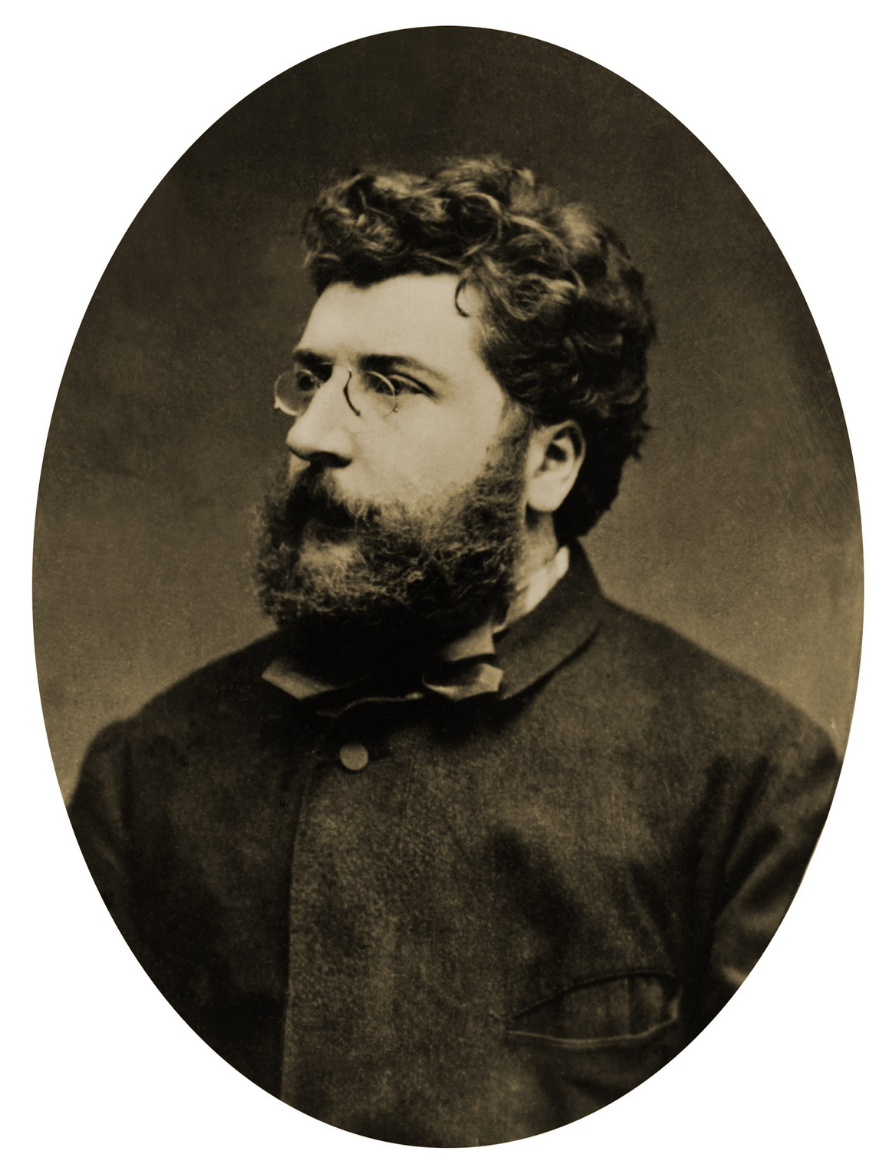
The Habanera from Bizet's opera Carmen has become a universal classic, but Bizet's range spans from dramatic symphonies to choral work and everything in between. A musical prodigy, he was only nine years old when he entered the Paris Conservatoire. He was also young when he died - just 36 - shortly after the premiere of Carmen, and unfortunately he never got to see the immense fame it would bring him.
Gabriel Fauré (1845–1924)
Fauré was a teacher and later director at the Paris Conservatoire, where he taught a number of students - including Maurice Ravel - and helped to modernise French musical education. The breadth of his works is quite something - from the gentle, playful piano pieces of the Dolly Suite to the sombre Requiem. Like Beethoven, he developed a serious hearing disorder later in life, but that didn't stop him from going on to compose some of his best known works.
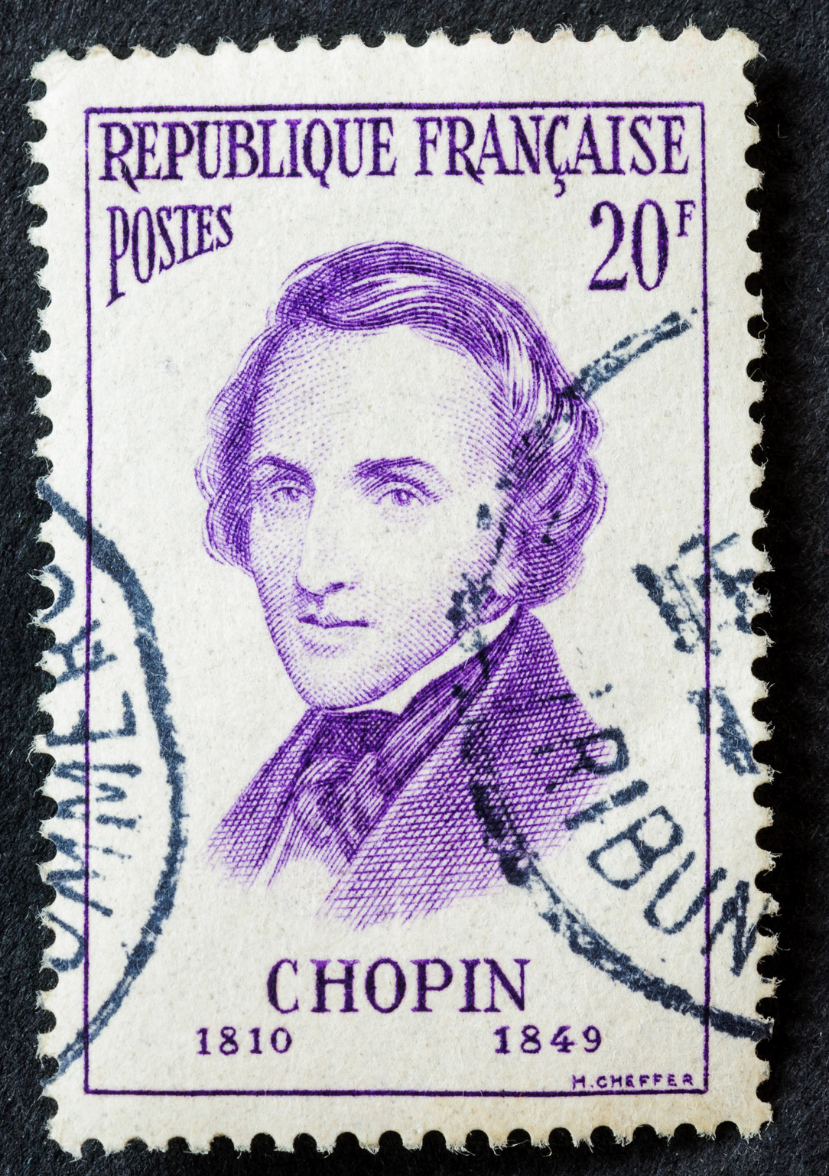
Frédéric Chopin (1810–1849)
We’re slightly cheating with this one, since Chopin was born and raised in Poland, although he moved to France at the age of 20 and lived there for the rest of his life. Admittedly, he was very young when he died - aged 39 - but in that short space of time he had achieved a lot, and he remains today the gold standard for short piano forms such as nocturnes, waltzes and études. His works are notoriously difficult to play - just listen to Étude Op. 25 no. 6 if you want to get a sense of their intricacy - but always beautiful to listen to.
Chopin's mazurkas and polonaises reflect his Polish upbringing, although it was in Paris that he achieved his acclaim.
Erik Satie (1866–1925)
Born in Normandy, Satie studied at the Paris Conservatoire but was dismissed for lacking talent - his teacher Émile Descombes described him as 'the laziest student in the Conservatoire'. He remained in Paris, however, where he continued to develop his craft and cultivated friendships with other composers such as Debussy and Ravel.
He is most well-known for his slow, contemplative Gymnopédie piano pieces, although many of his later works were more orchestral and modern. His 1917 Parade, for instance, was a frenetic ballet score created with Jean Cocteau and Pablo Picasso, incorporating non-musical sounds.
His influence can be seen in impressionism, neoclassicism, minimalism and conceptual music.
Claude Debussy (1862–1918)
Stephen Walsh's biography of Debussy, entitled A Painter in Sound, perfectly encapsulates the composer's essence - you can almost see Debussy’s music when you listen to it, and it helps that he often gave his pieces very visual titles, from Prélude à l'après-midi d'un faune to Clair de lune to L'isle joyeuse. His style was distinctive, blending complex melodies with a characteristic gentleness. Flutes, oboes and harps abound in his orchestral works, while his dreamlike piano pieces are often in the higher octaves.
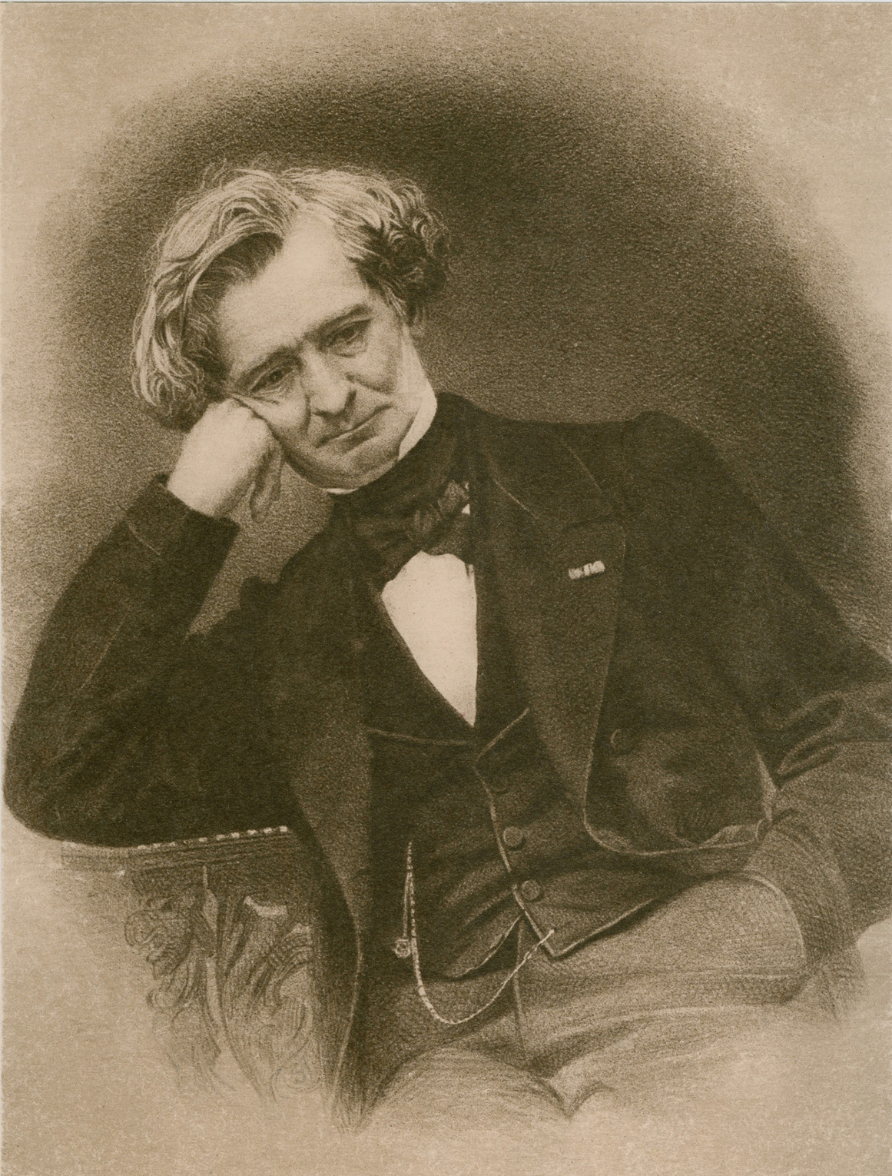
Hector Berlioz (1803–1869)
Born in La Côte-Saint-André, Berlioz originally intended to study medicine in Paris, but he soon abandoned it to pursue music, entering the Paris Conservatoire, where he studied composition.
Berlioz was a leading figure of musical Romanticism and a pioneer of programmatic music, in which instrumental works tell a story or depict extra-musical ideas. His most famous work, Symphonie fantastique (1830), is an example of this approach, using a recurring theme (the idée fixe) to portray an emotionally tumultuous narrative of obsession and hallucination.
As a composer, he greatly expanded the size and expressive range of the orchestra, and left an indelible influence on other French composers who came after him.
Maurice Ravel (1875 - 1937)
Born in the late 19th century and having died just two years before the outbreak of the Second World War, Maurice Ravel is the most recent composer on this list. He was born in Ciboure, near the Spanish border, and was - like Bizet before him - influenced by Spanish folk music, as well as jazz and the classical works of his predecessors. Critics place him in the Impressionist school, alongside Debussy, though Ravel rejected the label. His compositions are diverse but always technically precise, ranging from the hypnotic Boléro to his ballet score, Daphnis et Chloé.
Want to keep in the loop? Sign up to our newsletter!
Stay up to date with the latest content, blogs, videos and sales information from Learn French With Alexa.


Check out some of our other blog posts!
How to get around Paris during the Olympics
Posted on by Josh in the categoryYour guide to navigating the city
Read the blog
What is the Livret du Citoyen?
Posted on by Josh in the life in france categoryA guide to citizenship in France
Read the blogHave fun learning French Today
People from all over the world enjoy learning French with Alexa Polidoro’s popular French audio and video lessons.