
Claude Monet: 100 years on
Posted by Josh on 8th Apr 2026 in the blog in the french culture category
- Share:
-

-

This year marks 100 years since the death of the French artist Claude Monet, and various institutions around France associated with the 'Father of Impressionism' are choosing to mark the centenary with special events and exhibitions.
The art museum MuMa, located in the city of Le Havre, where Monet grew up, is hosting various exhibitions of his work, while the Musée de l’Orangerie in Paris will feature forty of his paintings in September.
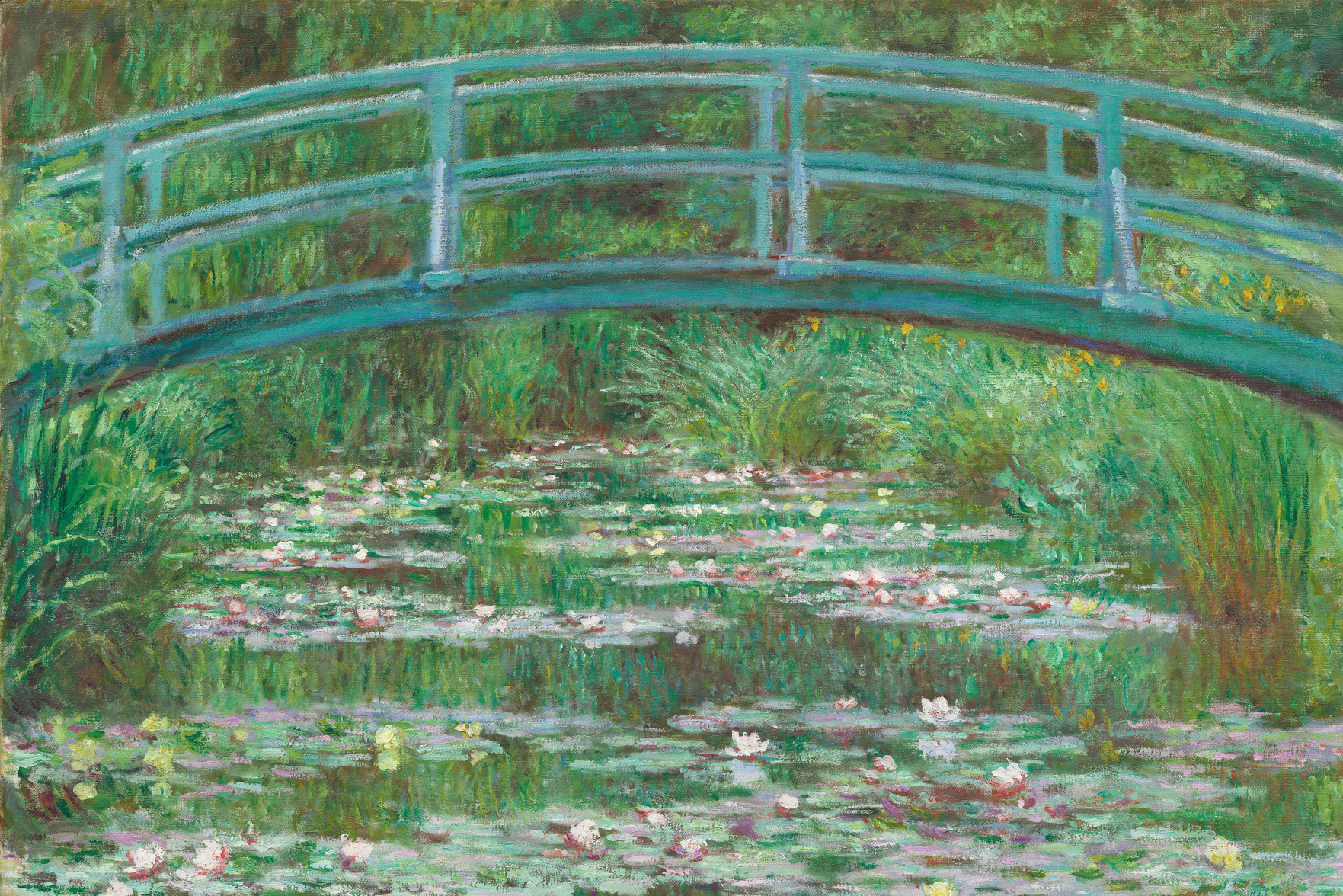
In addition, the Museum of Impressionism in Giverny is staging an exhibition of thirty of the artist's paintings, titled Before the Water Lilies, until the 5th of July, alongside the many other Monet works that are on perennial display in the museum. Giverny is where Monet lived for most of his life until his death (1883-1926), and his house there, which has just reopened to the public after a winter hiatus, is expecting as many as a million visitors this year.
It is impressive for an artist to continue to be so revered a hundred years after their death, but if anything Monet's fame has only increased with time, thanks to a revival of interest in Impressionism in the 1980s (during which the Musée d'Orsay opened in Paris), the French tourist industry's promotion of the aforementioned heritage sites and even social media.
Who was Claude Monet?
Known as the Father of Impressionism, Claude Monet is one of France’s most famous painters.
Born in 1840 in Paris, Monet grew up in the port city of Le Havre, where he developed a local reputation for drawing caricatures of people. As a teenager, the artist Eugène Boudin introduced him to plein-air (outdoor) paintings, and he discovered his true talents. Like most French painters of the period, he moved to Paris to study art. After a brief period in England during the Franco-Prussian war, where he was influenced by the artists Turner and Constable, he returned to France and achieved recognition in the 1874 First Impressionist Exhibition, where his works were exhibited alongside those by Renoir and Pisarro, among others.
The impressionist style of art focused on colour and creating a sense of atmosphere rather than fidelity to the details of reality. In fact, the movement takes its name from Monet’s 1872 painting Impression, Sunrise. The Impressionist movement generally is credited with heralding modernism in art and paving the way for post-impressionism, expressionism, cubism and other forms of modern art.
Many of Monet's paintings focus on natural details, and his style is highly distinctive, composed of broad brushstrokes that blur the lines between objects with vivid, often exaggerated colours. The subjects of Monet's paintings were often from his garden, such as the weeping willow, the water lilies and irises and the Japanese bridge which featured in Season 4 of Emily in Paris.
Want to keep in the loop? Sign up to our newsletter!
Stay up to date with the latest content, blogs, videos and sales information from Learn French With Alexa.


Check out some of our other blog posts!

How can I practise speaking french?
Posted on by Josh in the learning french, frequently asked questions categoryFind out the best ways to improve your French oral skills
Read the blog
What are the Journées du patrimoine?
Posted on by Josh in the french culture categoryBetween 20th and 21st September, many heritage sites and museums around France are completely free to enter
Read the blogHave fun learning French Today
People from all over the world enjoy learning French with Alexa Polidoro’s popular French audio and video lessons.