
What was the Bastille?
Posted by Josh on 13th Jul 2026 in the blog in the french culture category
- Share:
-

-

Introduction
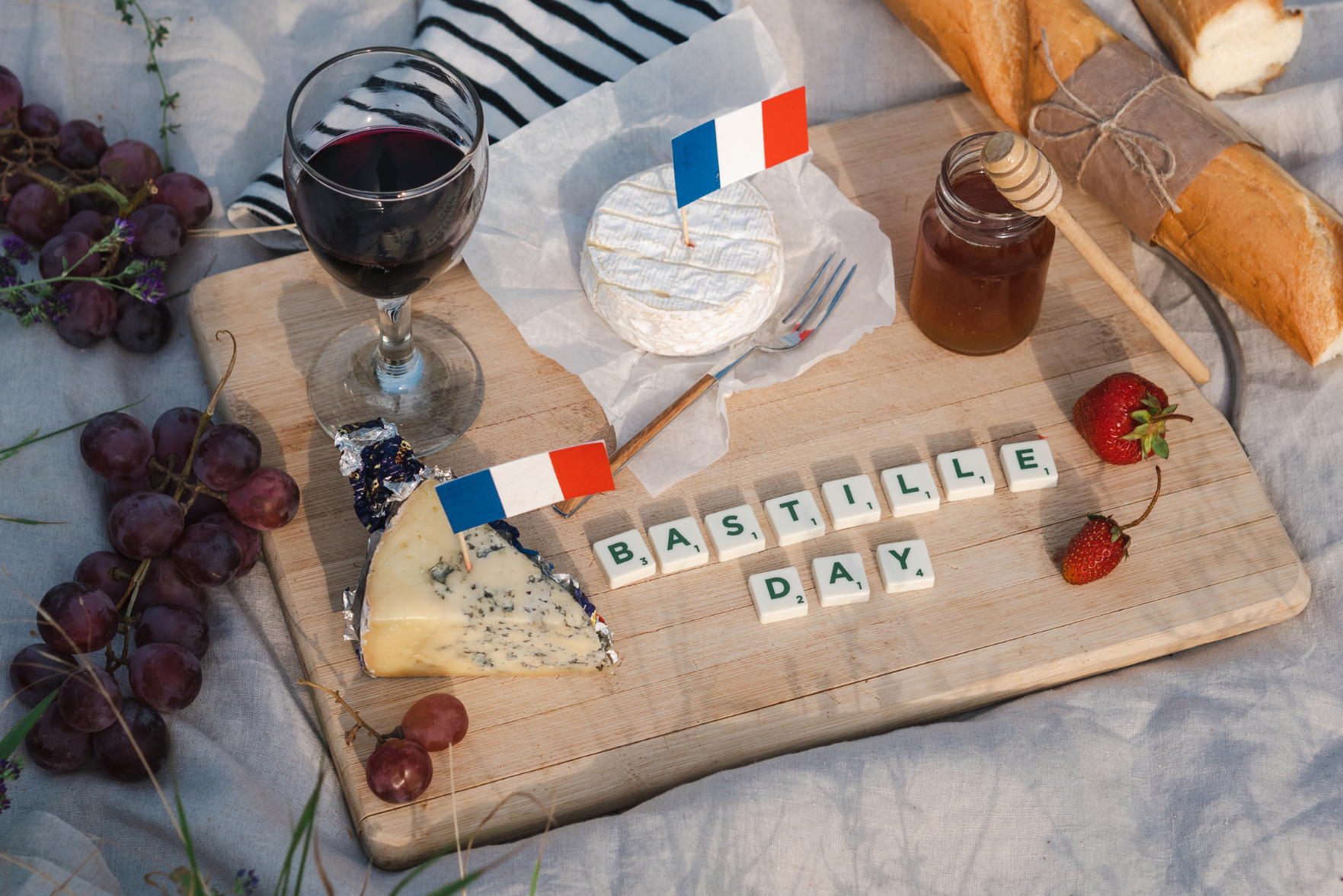
14th July is Bastille Day in France. It’s a day marked by parades, light shows and fireworks, and it commemorates the start of the French Revolution.
But what was the Bastille?
No, the Bastille doesn’t refer to an indie pop band. The word actually comes from the old Occitan word bastida, meaning ‘fortification’, and it was the name given to one of the most imposing buildings in all of France.
Construction on the Bastille began in 1370, during the Hundred Years War, and was completed in 1383. Its original aim was to protect Paris against English forces. Its walls were three metres thick, and with a wide moat surrounding it, the fortress was considered impenetrable. It was not successfully attacked under the Storming of the Bastille in 1789 - from which Bastille Day takes its name.
Why is it called Bastille Day?
By the time of the French Revolution, the Bastille had become a state prison, notorious for holding political dissidents and victims of lettres de cachet, which were royal arrest warrants. The fortress had therefore become a symbol of monarchical oppression, and with the frenzy of revolution in the air, it naturally became a target. In 1789, an angry mob of around 900 Parisians descended on the fortress, storming its gate and killing eight of the guards, and the prisoners - all seven of them - were freed.
Among them were four forgers, two men considered mentally ill and the Comte de Solages, who had been imprisoned at the request of his family for engaging in acts of debauchery. The infamous writer Marquis de Sade would have also been among them, had he not been transferred to an asylum mere days before the fortress was stormed.
Is the Bastille still standing?
The rioters were surprised to find so few prisoners in the Bastille. Indeed, many of the other prisoners had been transferred to other jails, and the prison had by this time largely fallen out of use. The King was already considering demolishing it. In a sense, then, the rioters carried out his work for him.
The Bastille was demolished in the days following the siege. The stones used to build it were largely repurposed, with some being used for other construction works around the city, and others being turned into miniature models of the fortress, which Pierre-François Palloy, the contractor who supervised the demolition, sent to provinces around the country as souvenirs.
A few of the foundation stones can still be seen today in the Place de la Bastille, the site where the Bastille originally stood. After the Revolution, Napoleon planned to erect a bronze foundation with a stone elephant on the site as a symbol of the success of his foreign conquests. As the historian Simon Schama relates,
‘The elephant would be cast in bronze taken from enemy cannon in Spain and would be large enough so that visitors could ascend by an interior staircase to the tower it would carry on its back. Water would splash from its trunk. It would be heroic and delightful and all who beheld it would forget the 1789 [sic], forget the Bastille and immerse themselves instead in imperial self-congratulation.
‘But 1789, the beginning of the French Revolution, has always remained more memorable than 1799, when Bonaparte declared its end. The Bastille and its conquerors have been commemorated, while the elephant has been forgotten.’
Indeed, Napoleon’s vision was reduced to a plaster-cast elephant, which was demolished in the 1840s. It was replaced by the July Column, which still stands today. There is also the famous Opéra Bastille, an opera house which opened in 1989 for the bicentennial of the Storming of the Bastille, intended as a modern counterpoint to the Opéra Garnier.

Check out some of our other blog posts!

5 Facts About Bastille Day
Posted on by Josh in the french culture categoryThink you know everything there is to know about Bastille Day?
Read the blog
What was the French Revolution?
Posted on by Josh in the french culture categoryDo you know the story behind the Bastille Day celebrations?
Read the blogHave fun learning French Today
People from all over the world enjoy learning French with Alexa Polidoro’s popular French audio and video lessons.