
Everything you need to know before moving to France
Posted by Josh on 2nd Feb 2026 in the blog in the french culture category
- Share:
-

-

France is one of the most popular destinations for people looking to live abroad. With a high GDP, pleasant weather and world-beating cuisine, not to mention a robust national culture and vibrant history, it's little wonder that as many as 45 million people worldwide have expressed an interest in relocating to France.
Moving to France is a big deal. And it's not as simple as packing your bags and catching the next plane to Paris. If you want to live in France, you'll need to prepare accordingly.
- Filling out forms – The word 'bureaucracy' is French in origin, and anyone planning on immigrating to France will understand why. You’ll need to complete a series of forms and visa applications. The process varies depending on whether you’re moving for work, academic purposes, or retirement, but whatever your intention, expect lots of paperwork
- The French way of life – You’ll find it a lot easier to get by in France if you accustom yourself to the norms and values of French society - not least because questions about the French way of life are guaranteed to come up on the examen civique, a compulsory exam for all immigrants to France.
- Finding a job and a place to stay – Work visas will require you to already have a job offer, so make sure to sort this out before applying for your visa. Likewise, you’ll want to have a place to stay before you arrive, as finding accommodation can take a while, particularly in cities with high demand like Paris and Lyon.
The Paperwork
If you're not an EU/EEA/Swiss citizen, the following are essential if you want to move to France:
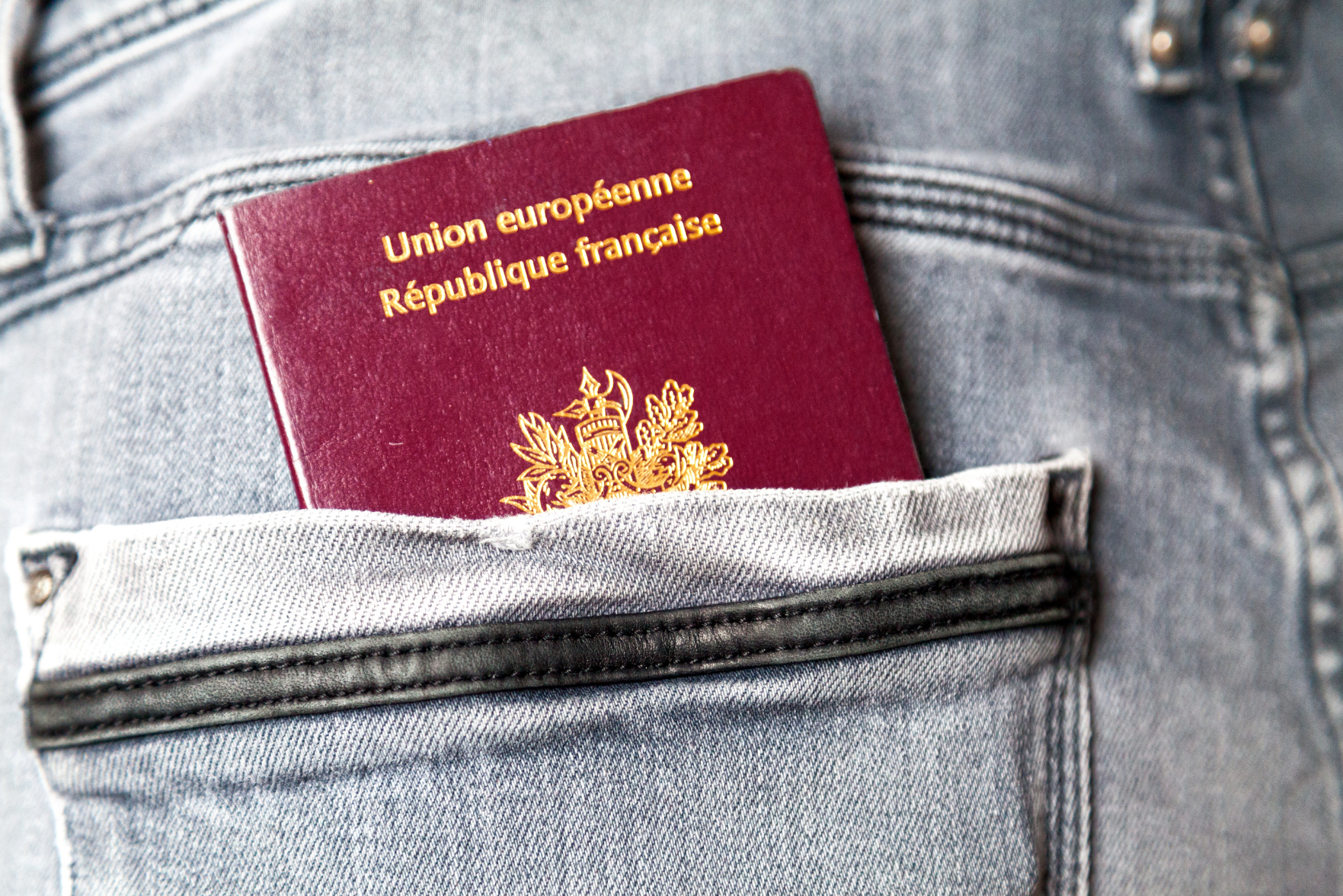
- a valid passport
- health insurance - You'll need documents to enroll in French public healthcare (PUMA)after a few months of residence.
- proof that you can support yourself financially - You may need to show evidence of income or savings equivalent to around €1400 a month
- a visa or residence permit (carte de séjour) - Visitors to France who are not EU/EEA/Swiss citizens are entitled to stay in France for up to ninety days at a time. If you want to stay for longer than ninety days, you will need a long-stay visa. There are a number of different visas you can get, from work visas to family reunification visas, depending on the reason for your stay.
Residence permits
- Carte de séjour - If you want to stay for longer than the visa period, you can apply for a temporary residence card (carte de séjour), which will allow you to extend your stay by up to a year.
- Carte de résident - The Carte de résident grants you more rights and allows you to stay for up to ten years, although you may need to have been in the country for at least five years. If you are a married to a French citizen, this can be shorter.
If you're an EU/EEA/Swiss citizen, the good news is that you don't need a visa or residence permit to emigrate to France, but you will still need a valid passport, health insurance and proof that you can support yourself financially.
All newcomers to France will also need to open a bank account, acquire a new driving licence (if you plan on owning a vehicle) and obtain home insurance if buying a property.
The examen civique
The examen civique is an exam newcomers must take, which tests you on your knowledge of France, its culture and values. It can be taken at numerous accredited test centres throughout France (you can find information on where to find them and how to sign up here). The exam typically contains 40 questions. You need to score 80% to pass. Topics covered in the exam include
- French history
- French geography
- Daily life in France
- How French government works
- Principles and values of the French Republic
Language requirements
It should come as no surprise that newcomers to France are expected to have a good understanding of the French language. While knowledge of French isn't legally required for a visa, it's a different picture for residence permits and cards. As of 1st January 2026, anyone applying for a carte de résident will need to demonstrate proof of B1 level French, while anyone applying for a carte de séjour will need to demonstrate proof of A2 level French (previously, no knowledge of French was required). To acquire citizenship, you must be able to demonstrate B2 level French. It's also worth bearing in mind that some employers may require you to speak French, so even if your visa doesn't technically require it, employment may be contingent on a certain level of French.
The best way to reach the different levels of the CEFR quickly is to sign up to a French langauge course. Alexa's CPD-accredited Complete French Course takes learners from A1 to C2 of the CEFR using Alexa's uniquely engaging teaching methodology across a range of materials, from video lessons and quizzes to support guides and much more. Try Lesson 16 for free!
Food culture
The French take their food very seriously - and with good reason. France is the birthplace of so much culinary innovation, from patisserie to baking to cooking methods and even the way we dine (do you prefer à la carte or prix fixe?). The first restaurants were in France, after all.
The French pride themselves on their bread, cheese and wine in particular. Meals at restaurants are typically attended with a free basket of bread, and wherever you are in France, you're never far from a boulangerie serving delicious fresh bread (this is the home of the baguette, after all). Over 1,200 varieties of cheese are produced in France, and the nation is widely regarded as the viniculture capital of the world, with its own labelling system known as Appellation d'Origine Contrôlée, or AOC. Most varieties of wine, from burgundy to champagne, take their names from regions of France.

Healthcare
France has universal public healthcare, known as Sécurité sociale. Everyone who lives and works in France is covered by the Sécurité sociale, although it's worth noting that services and medication, while subsidised, are not completely free at the point of service. A typical consultation might cost around €30. Pharmacies are very common, and medication is generally quite affordable. As mentioned above, having health insurance is generally required prior to moving to France in order to satisfy residency requirements, as health insurance is mandatory for residents.
Working in France
In France, workers get five weeks of paid vacation per year plus eleven public holidays.
The legal work week in 35 hours - anything over this must be paid as overtime. Foreigners from countries with high work ethic may find French work culture casual by comparison - especially the long lunch breaks, which can go on for up to two hours - but the French do take work seriously. Office etiquette and formality are important, as are a respect for professional hierarchy and work-life balance.
Income tax is taken from the amount your household earns, rather than your individual earnings, with children counting as 'half' a person. As a result, larger families will pay less in tax relative to their overall income.
The minimum wage in France, as of 1st of January, 2026, is €12.02 an hour.

Climate and weather
France enjoys a warmer climate than much of Europe, though this changes from region to region. The northern provinces, such as Normandy and Brittany, tend to be cooler and experience more rainfall than the south, particularly Provence and the Mediterranean coast, where temperatures can reach 30–35°C in the summer. Meanwhile, the French Alps on the border with Italy are blanketed in snow for much of the year.
France does not experience extreme weather conditions such as typhoons or hurricanes, although there is occasional flooding and increasingly frequent summer heatwaves.
Education
In France, the primary education system is divided into écoles primaires (ages 6 to 11), collèges (ages 11 to 15) and lycées (ages 15 to 18).
The school day typically lasts from 8:30 to 4:30, often with a long lunch break, although students often get Wednesday afternoon off. Subjects taught at French schools range from plastic arts to life & earth sciences.
Around 15% of French students at primary level are taught in private schools, a number which jumps to 20% at secondary level, although this is often sous contract (state subsidised).
University education is also heavily subsidised by the government for French nationals, although private universities and Grandes Écoles set their own fees.
Check out some of our other blog posts!
Alexa on BBC Radio London
Posted on by Kafi in the categoryAlexa's big radio interview with BBC Radio London, all about how simple it can be to learn French in your everyday life and the opportunities French can bring to your career.
Read the blog
Which parts of Switzerland speak French?
Posted on by Josh in the travel & tourism categoryFrench is just one of Switzerland's four official languages
Read the blogHave fun learning French Today
People from all over the world enjoy learning French with Alexa Polidoro’s popular French audio and video lessons.