
French loanwords used in English
Posted by Josh on 16th Feb 2026 in the blog in the vocabulary category
- Share:
-

-

Tired of the usual clichés and want to add a little je ne sais quoi to your diction?
The English language is full of words of French origin. Most of these have changed and mutated over the centuries - some of them unrecognisably so. But others haven’t changed at all.
Many words in English - what we call loanwords - are taken directly from French, without any changes having developed in their spelling, pronunciation or meaning. You'll often see loanwords written in italics, and these nifty additions to English tend to be more recent arrivals than most words of French etymology. While the vast majority of French-origin words used in English today came along with the Norman Conquest of England in the 11th century, or in the ensuing centuries as French became a language of prestige throughout Europe, most of what we consider to be direct French loanwords entered English during the 18th century and afterwards as the French language and culture grew in influence.
Unlike earlier French-derived words, these newer loanwords were generally left untouched - that is to say, they were not respelled to fit English spelling conventions. Nor have they undergone the organic changes in spelling or pronunciation that were typical of more common, everyday words. In fact, most French loanwords are terms used to describe very specific things - things which we often don't have expressions for in English.
Take déjà vu, for example. Literally it translates to 'before seen', and refers to the sensation you experience when your memory tricks you into feeling like you've been through a situation already before. The term was coined in French in 1876, and quickly entered the lexicon of other European languages, including Spanish, Dutch, Norwegian - and English.

Another French phrase used in English is raison d'être, meaning 'reason for being'. Unlike 'before seen', it's perfectly acceptable to say 'reason for being' in English; but raison d'être has a quality of sophistication that makes it the preferred choice even among English speakers.
So you can see there a couple of reasons why we use French loanwords in English. Either they represent a meaning for which we don't already have a word or phrase in English, or they simply sound better.
Below is a list of French loanwords used in English. By learning these words and phrases, you'll not only be expanding your vocabulary in not just French but in English too!
French words used in English
Masculine
le café
le chauffeur
le genre
le résumé
le souvenir
le buffet
le fiancé(e)
le cliché
le sabotage
le montage
le garage
le camouflage
le mirage
le dossier
le bouquet
le plateau
le corsage
le croissant
le rendez-vous
Feminine
la cuisine
la façade
la silhouette
la brochure
la roulette
la niche
la riposte
With elision
l’élite
l’ennui
l’entrée
l’étiquette
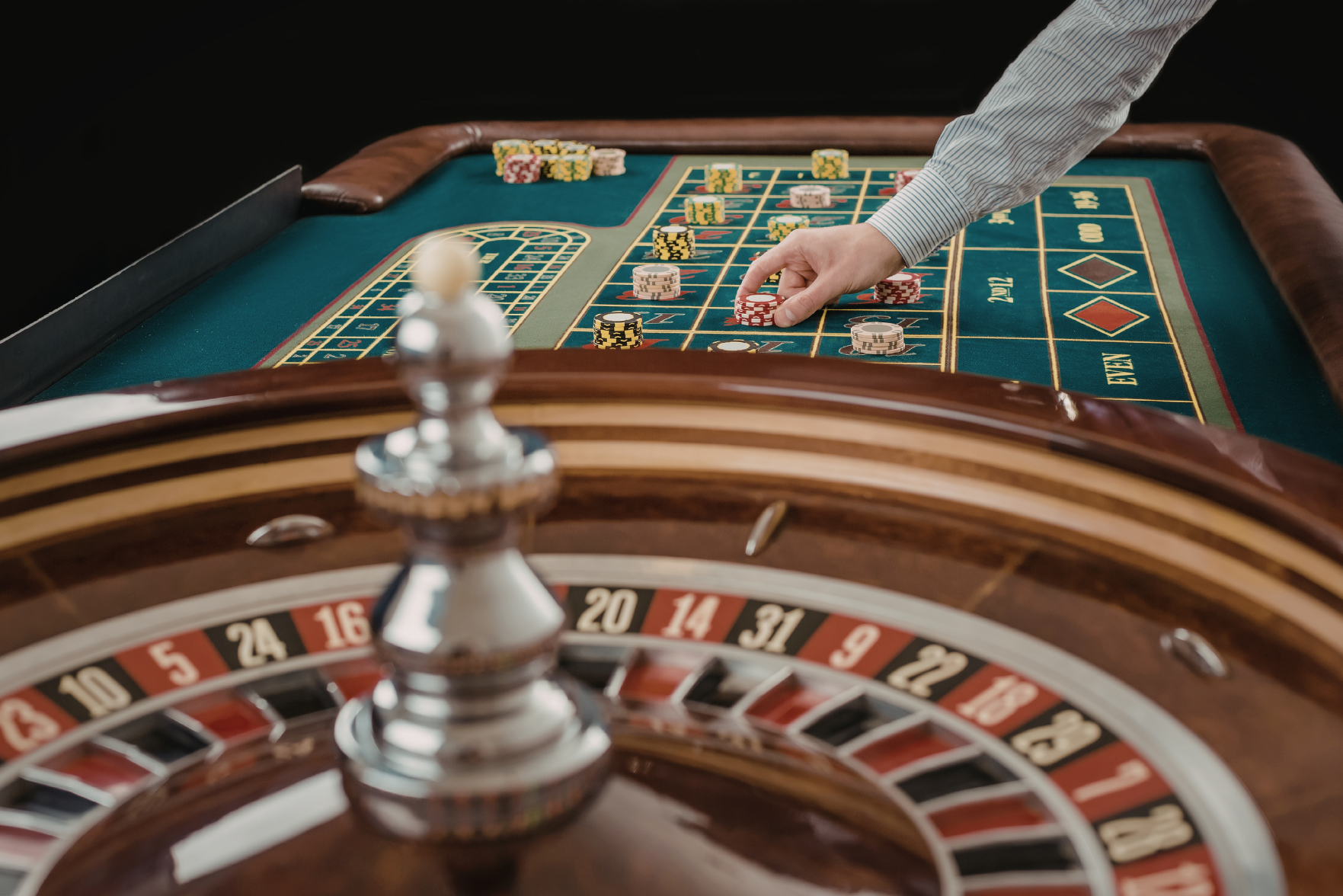
French phrases used in English
les hors-d’œuvre (a small starter)
le déjà vu (an illusory feeling of having already experienced something)
le coup de grâce (a final decisive blow)
le tour de force (an impressive achievement)
la raison d’être (reason for being)
la carte blanche (full freedom to act)
le faux pas (a social mistake)
le tête-à-tête (a private conversation)
la pièce de résistance (the main highlight)
For more French phrases used in English, check out our blog on the topic.
Want to keep in the loop? Sign up to our newsletter!
Stay up to date with the latest content, blogs, videos and sales information from Learn French With Alexa.
Check out some of our other blog posts!

TOP 10 FRENCH CITIES TO VISIT THIS SUMMER
Posted on by Nancy in the french culture categoryWhen we think of France, we often only think of Paris. Our favourite country is full of amazing cities that we know you will enjoy, outside of the City of Lights. From Toulouse to Marseille, and more in between, let’s explore our Top 10 French cities you should visit this summer once lockdown is lifted.
Read the blog
French Movies Releasing in 2024
Posted on by Josh in the film categoryDon't miss these new films coming out this year
Read the blogHave fun learning French Today
People from all over the world enjoy learning French with Alexa Polidoro’s popular French audio and video lessons.