
French slang words to use in 2026
Posted by Josh on 19th Mar 2026 in the blog in the french culture, learning french category
- Share:
-

-

The French language is always changing.
That doesn't mean that what you learn with Alexa today won’t be relevant tomorrow. Our lessons are focused on the fundamentals of grammar and vocabulary, and are designed to help you achieve fluency in standard French, so that you can communicate with francophone speakers in all situations and environments. Standard French operates under immutable rules, which haven't changed in hundreds of years - and aren't likely to be changed for hundreds more. The Académie Française, which regulates the French language, is notoriously reluctant when it comes to making alterations to the language. Indeed, on the rare occasions the Academy accepts loanwords from English into French, they make sure to Francify it. Examples include en ligne ('online)' and point de vue ('point of view').
Where French does change, and frequently, is in the unregulated realm of colloquial parlance. We can see this with the adoption of gender-neutral pronouns, for which a few different methods have been put forwards, and which are used, often interchangeably, by different individuals and organisations.
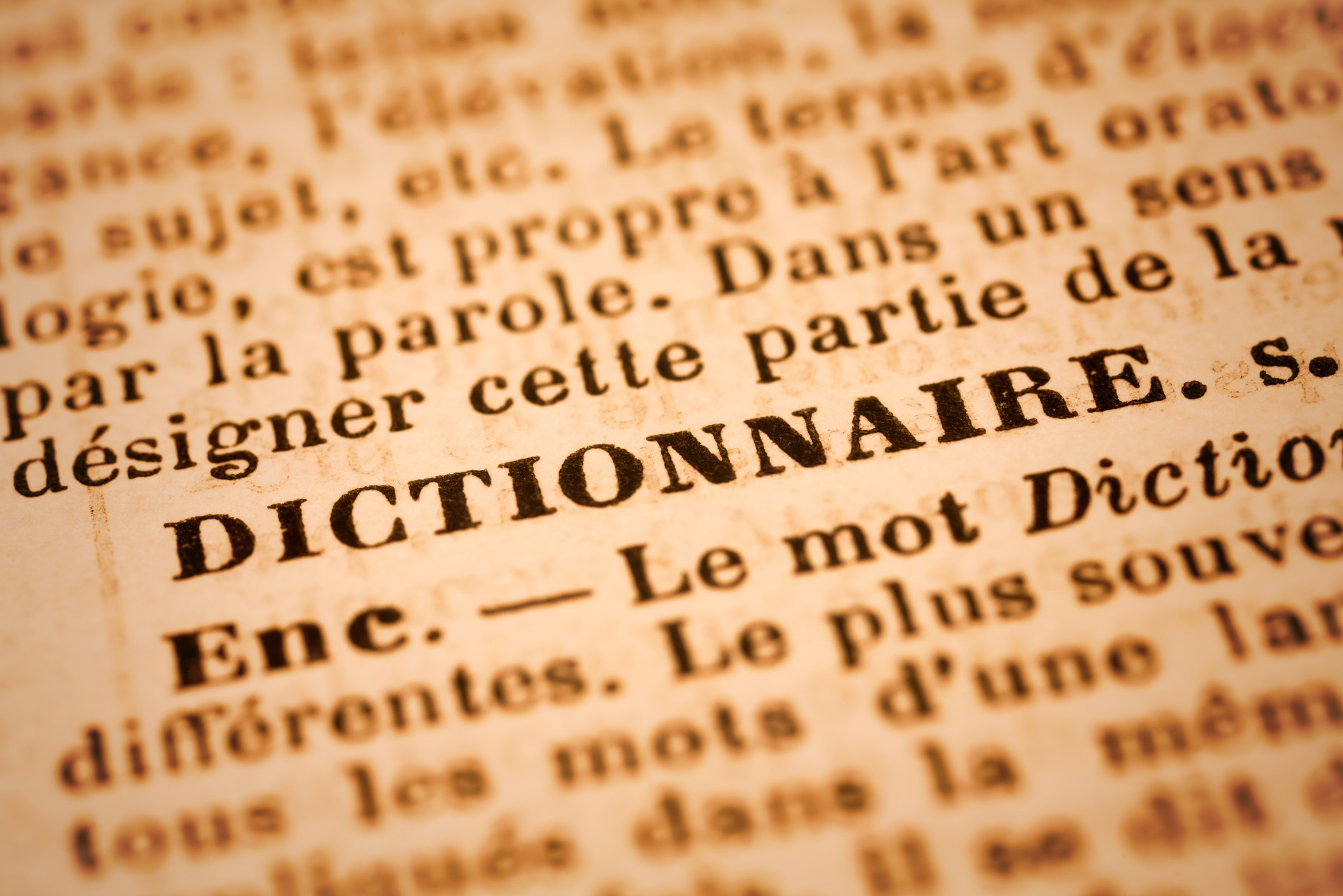
But the largest area of constant change is slang, which is heavily influenced by youth culture, minority languages and the fast-moving world of popular music and media. Because slang words aren’t considered official, there’s no standard way of spelling them, which can add to the confusion.
Rap music in particular has had a big influence on disseminating slang words through the French-speaking world, and helping urban neologisms reach a wide audience. Thanks to artists like NTM and Booba, words like meuf (a Verlan inversion of femme ('woman') first used in the banlieues are now commonly used by young French-speakers from Marseilles to Mayotte.
Slang has been around for a long time, of course. Verlan, which is a kind of slang that works be inverting the word order of common words, can be traced back to the 19th century. But new words come and go all the time, such that even seasoned French speakers can find themselves getting confused upon hearing the latest slang word. You therefore shouldn’t worry if you are unfamiliar with many - or all - of the words listed below, especially as they’re unlikely to be used in formal French. But if you want to keep on top of your game, these are the words you should learn.
Wesh
There’s no consensus on the origins of wesh (some believe it’s originally from Maghrebi Arabic, others that it’s a disformation of the word ouais), or even the spelling (ouèche is another way to spell it), but everyone agrees on its meaning: 'What's up?' It's mostly used as a greeting.
Reuf
Reuf is a verlan inversion of frère. It’s an informal way of saying ‘brother’, similar to ‘bro’ in English.
Reuf, ça fait longtemps ! 'Long time no see, bro.'
Cheum
Cheum is an inversion of moche, meaning ugly. It can be used to describe anything from clothes to people to unfortunate circumstances.
Ces baskets sont trop cheum, je les mettrai jamais. 'Those trainers are so ugly, I’d never wear them.'
Miskine
From the Arabic word miskīn, this slang term means 'poor thing', and is used to refer to an unlucky person - either genuinely or sarcastically.
Miskine, il a raté son train. 'Poor guy, he missed his train.'
Grave
In standard French, grave means 'grave' or 'serious', but for Gen Z and Gen Alpha French speakers it can also mean 'very' or 'definitely'.
C'est grave bon ! 'It's so good!'
Goumin
Common in Francophone African music and urban slang, gourmin originates from the Côte d'Ivoire and is a term used to refer to heartbreak.
Il est en plein goumin. 'He's in total heartbreak'.

Dinguerie
Derived from the adjective dingue, meaning 'crazy', a dinguerie refers to something considered wild or unbelievable, in either a positive or negative way. It can describe a situation, an object or an event.
Il a eu 20 sur 20 à son examen. Quelle dinguerie ! 'He got 100% on his test. How crazy!'
Pain
You probably recognise pain as 'bread', but the younger generations sometimes used this term to refer to a crush or someone they find attractive. When referring to a group of attractive people, pain becomes boulangerie.
C’est un vrai pain. 'He’s really attractive.'
Mytho
This one is short for mythomane, meaning 'liar'.
Il dit qu’il connaît des rappeurs célèbres, mais c’est un mytho. 'He says he knows famous rappers, but he’s a liar.'
Want to keep in the loop? Sign up to our newsletter!
Stay up to date with the latest content, blogs, videos and sales information from Learn French With Alexa.

Check out some of our other blog posts!

How to make nouns plural in French
Posted on by Josh in the learning french categoryThis is how you change a noun from singular to plural
Read the blog
Three Specific Tips to Learn French
Posted on by Nancy in the learning french categoryBonjour, comment ça va? So you've fallen in love with the French language. Its beauty, the way every word sounds poetic, almost like you are singing a love song, but are still struggling with masculin and feminin? Fret not, the Learn French with Alexa team has three tips to help you with memorization, pronunciation and more.
Read the blogHave fun learning French Today
People from all over the world enjoy learning French with Alexa Polidoro’s popular French audio and video lessons.