
The Bayeux Tapestry is coming to the UK
Posted by Josh on 24th Apr 2026 in the blog in the news category
- Share:
-

-

For the first time in its history, the Bayeux Tapestry is set to cross the English Channel, where it will be exhibited in the British Museum between September 2026 and July 2027. The tapestry is currently held in the Bayeux museum in Normandy, and has never left France before.
The loan was negotiated as part of a cultural exchange agreement between the United Kingdom and France, while the British Museum’s Sutton Hoo treasures and Lewis chessmen will be put on display in museums in France.
Nicholas Cullinen, Director of the British Museum, said in a statement that ‘The Bayeux Tapestry is one of the most important and unique cultural artefacts in the world, which illustrates the deep ties between Britain and France and has fascinated people across geographies and generations. It is hard to overstate the significance of this extraordinary opportunity of displaying it at the British Museum and we are profoundly grateful to everyone involved.’
Some, however, have criticised the decision to move the tapestry, claiming that doing so will put the fragile artwork at risk.
What is the Bayeux Tapestry?
Despite its name, the Bayeux Tapestry is an embroidered cloth which depicts the events leading up to the Norman Conquest of England. These include the lives of Edward the Confessor and Harold Godwinson, the appearance of Halley’s Comet and the Battle of Hastings, which resulted in a Norman victory and enabled the Norman conquest.
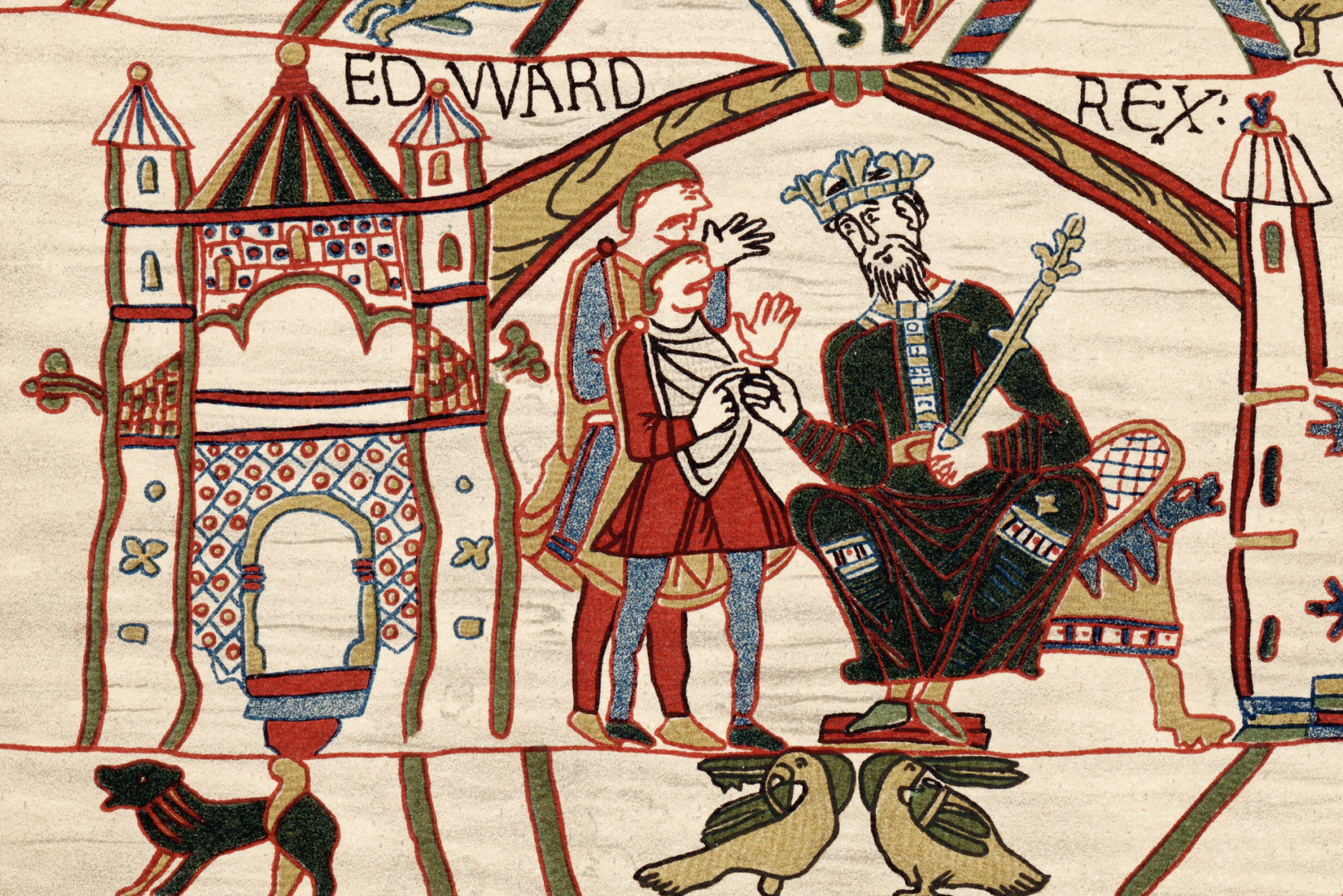
It is 70 metres long, chronicling in extensive detail the major events of the conflict, and has been instrumental in helping historians piece together the events leading up to the Norman conquest, as well as contemporary perspectives on the invasion.
When was the Bayeux Tapestry created?
No one actually knows for certain where or when the tapestry was created. There is considerable debate among scholars as to whether it was commissioned by William the Conqueror’s wife, Matilda, or by his half-brother, Bishop Odo of Bayeux, although a range of other theories exist.
What we do know is that it was woven shortly after the Norman Conquest of 1066, and that its first recorded mention is as part of an inventory of Bayeux cathedral in 1476, from which it takes its name.

Check out some of our other blog posts!

Where is French spoken in Canada?
Posted on by Josh in the misc. categoryFrench is one of Canada's official languages. But where in the country is it spoken?
Read the blog
What are the different tenses in French?
Posted on by Josh in the french grammar categoryLearn all about the different tenses in French
Read the blogHave fun learning French Today
People from all over the world enjoy learning French with Alexa Polidoro’s popular French audio and video lessons.