
A French learner's guide to Paris
Posted by Josh on 25th Aug 2026 in the blog in the french cities category
- Share:
-

-

Introduction
If you want to put your French skills into practice, there are few better places to do so than Paris. As the capital of France and one of the largest francophone cities in the world, renowned for its high quality shops, bustling bistros and cultural attractions, there are countless opportunities to speak French.
We've written up a handy guide on how to make the most out of Paris as a French learner, and come home more confident in your ability to conduct conversations in French.
How long should you spend in Paris?
Paris is a big city, with a population of over two million people spanning twenty arrondissements, the municipal districts into which the city is divided. There’s so much to do and see, from eating, drinking and shopping to scaling the Eiffel Tower and taking a pleasure boat down the Seine - and if you wanted to fit everything in, it would take a lifetime.
On the other hand, if you just want to contain your stay to one area, you can have a great time in just a few days. If you want to include time to relax and visit different parts of the city, then you may want to spend as long as a week.
The longer you stay, of course, the more time you will have to speak French with the locals and soak up the language, whether that's simply by reading signposts and menus or by listening to the background chatter of Parisians going about their business.
When is the best time to visit Paris?
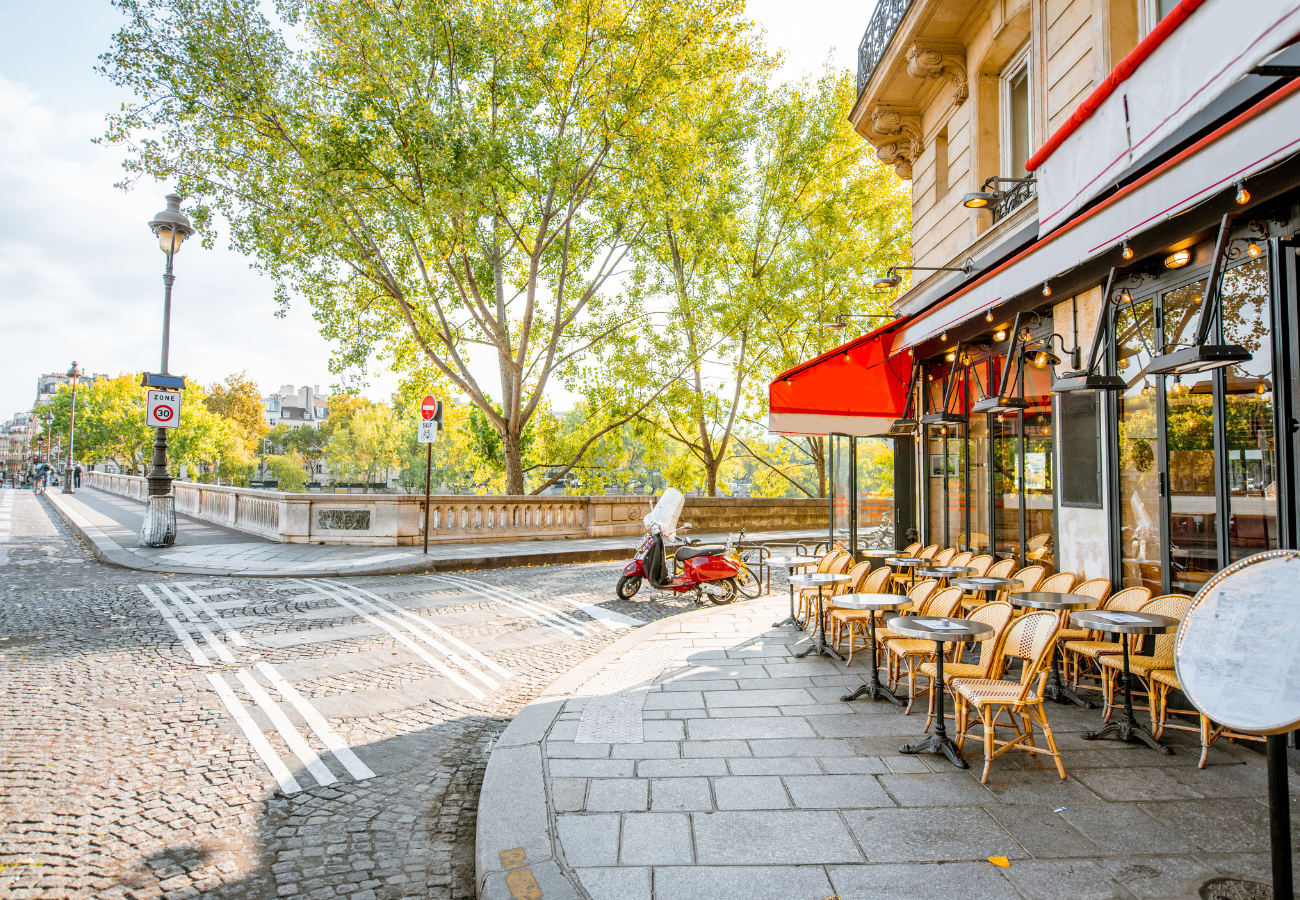
Paris is magical at all times of the year. In summer, the sunlit buildings and parks are at their most resplendent, and the atmosphere is vibrant. In the darker winter months, the city's romantic charm comes into full effect amid the warmth of the streetlights and the snow. In spring and autumn, the weather is mild, and the reduction in foot traffic makes navigating the city much easier.
So when is the best time to visit the city? It depends on what you want to get out of your trip. Peak tourist season is from June to August, with another uptick in December, so if you want smaller crowds and cheaper accommodation, our advice is to travel to Paris outside of these months. You're more likely to bump into locals than tourists, and waiters and retail staff, less used to speaking English all day long, are more likely to speak French to you.
Food
Some of the best places to practise your French conversational skills are restaurants, cafes and bars. During the course of a meal, you'll be able to practise a range of conversational topics, including greetings and civilities (s'il vous plaît, merci), ordering food, specifying whether you want to eat inside, outside or takeaway, as well as other aspects of small talk that may come up in the course of your conversation.
Our advice? Head to a cafe for pastries and coffee in the morning. Some of the best boulangeries in Paris include:
Mamiche
Mamiche is one of the most popular bakeries in Paris, which means there can often be long queues at peak hours that spill out onto the street. But it's worth it for the beignets and pain perdu. There are two branches in Paris, one on Rue du Château d'Eau and the other on Rue Condorcet.
French bastards
Famous for its cruffins (a cross between a croissant and a muffin), pain Suisse and BCBG (which stands for 'Brioche Cookie Bien Gourmande', although it's also a play on words), this is a must-visit for all lovers of decadent pastries.
Du Pain et des Idées
Opened in 2002, although a bakery has been in this building since 1875, this gorgeous boulangerie on Rue Yves Toudic has become a landmark in its own right.
For lunch and dinner, your best bet is the famous Parisian bistro - and there are plenty of these dotted around the city. These are casual but classy restaurants where you'll be able to sample amazing authentic French food and eat as the Parisians do. You can also just go for a drink, whether that's a coffee during the day or a glass of wine in the evening.
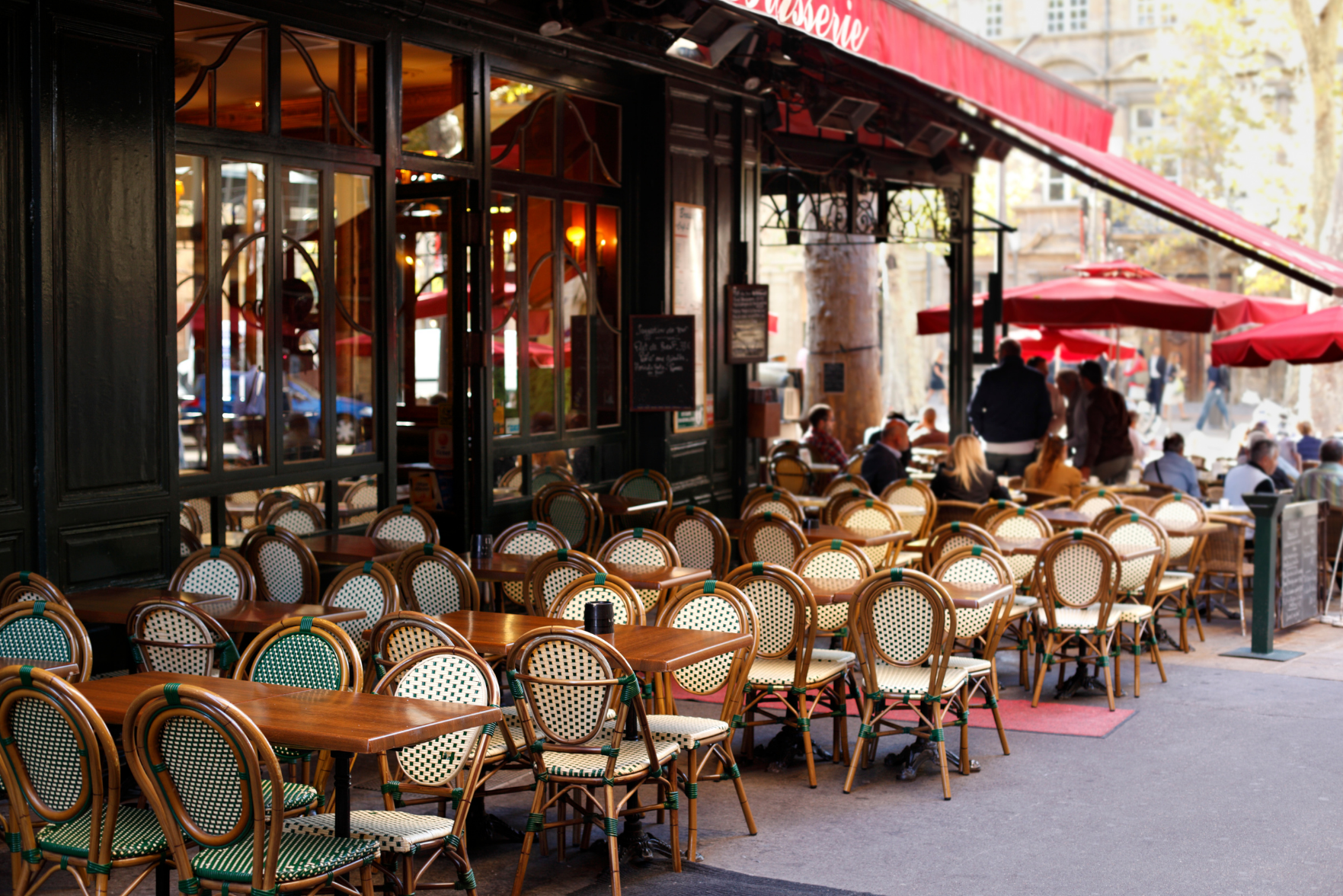
Paris is also full of amazing boutique and artisanal shops. Supermarkets won't provide you much opportunity to converse in French, but by visiting specialist fromageries, wine-sellers or food markets you'll be able to talk to your heart's content about your favourite food.
Some examples of food markets where you can practise your French:
Marché des Enfants Rouges
The oldest still-existing food market in Paris, the Marché des Enfants Rouges is also one of the most international in the range of products you can purchase here. The market is covered, making it an ideal place to browse when the weather takes a turn for the worse, and it's also a great spot to pick up a bite for lunch.
Marché Couvert Beauvau
This indoor food market, located in the 12th arrondissement, is another must-visit for fans of charcuterie, cheese and artisanal products.
Culture
Most visitors to Paris' many landmarks and cultural attractions tend to be tourists, but the staff at these institutions are usually happy to oblige anyone wanting to speak French. That said, don't expect to get much speaking practice at most cultural attractions; holy sites in particular command respect and quiet. But they will often provide ample opportunity to improve your reading skills, with signs, leaflets and audio guides available in all languages - including French.
Places of worship
Sainte-Chapelle
Next to the Palace of Justice is Sainte-Chapelle, a royal chapel built in the 13th century, famous for featuring one of the most stunning displays of stained glass in the world. It depicts the entire bible story, from Genesis to Revelation and beyond, in 1,113 panels across fifteen windows.
Notre Dame
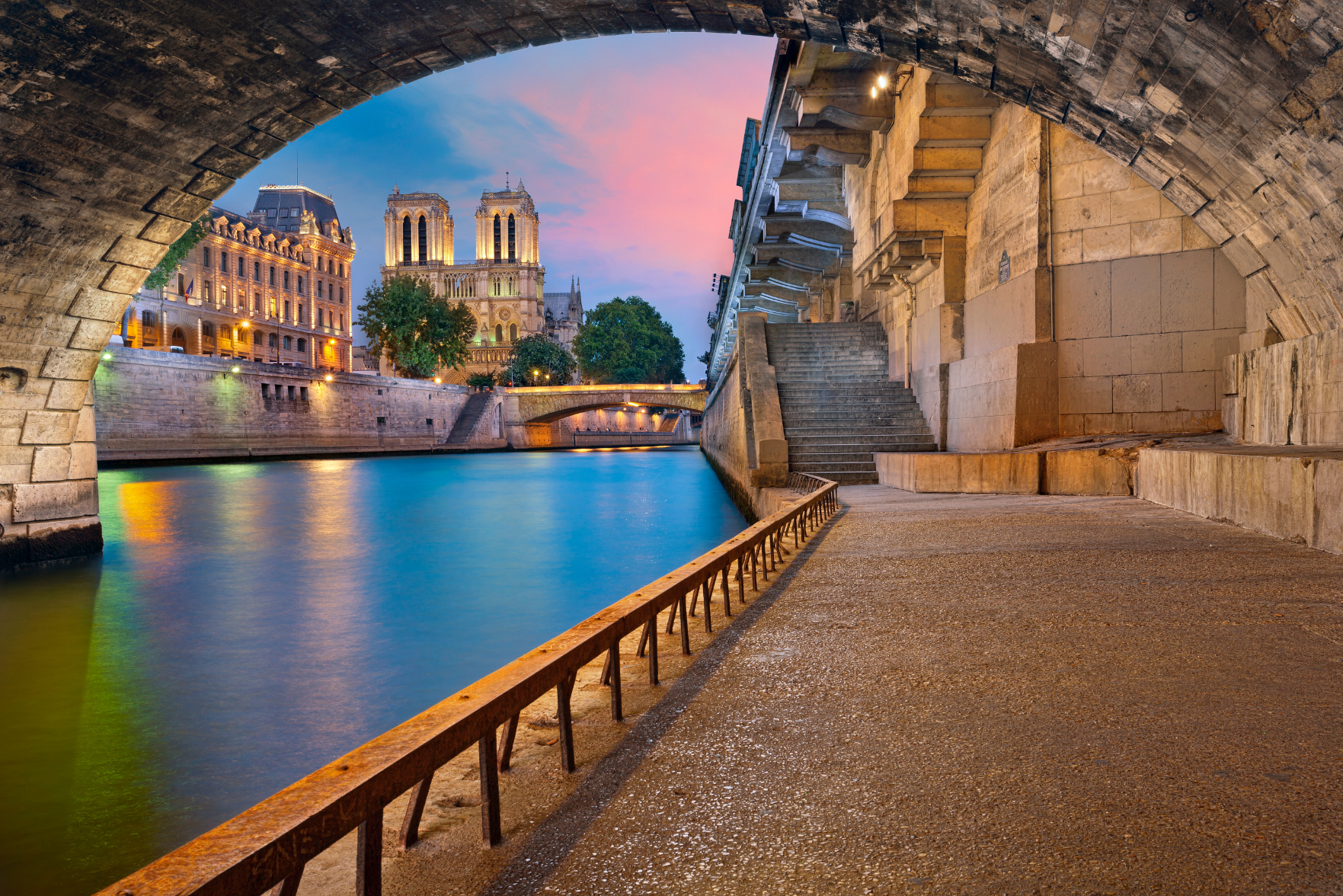
It took nearly two centuries to build the Cathedral of Notre Dame, which was finished in 1345. It became the centre of international news in 2019 when a fire ravaged the building, but it has now been restored and is open to the public again. An enormous and incredibly ornate building, It's one of the most popular attractions in Paris, so be prepared to queue for quite some time in peak tourist season. It stands a few hundred metres away from Sainte-Chapelle on the Île de la Cité.
Sacré-Cœur Basilica
If you can stomach the 222 steps to the top of the hill, make sure to pay a visit to Sacré-Cœur, which is not only one of the most beautiful churches in Paris but also affords an amazing view of the city. For those who prefer not to walk, you'll be pleased to learn you can also take a funicular to the top.
Grande Mosquée de Paris
The construction of this mosque finished a century ago in 1926. Its design was inspired by Andalusian mosques and features a beautiful oriental garden with emerald tiles and lush greenery.
Grand Synagogue de Paris
The largest synagogue in Paris is also the second largest synagogue in Europe, and can be found on the Rue de la Victoire in the 9th arrondissement.
Alexander Nevsky Cathedral
Built in the Byzantine-Muscovite style in 1861, this cathedral, located on the Rue Daru, is Paris' first Russian Orthodox church.
Museums
The Louvre
With up to half a million items in its collection, the Louvre holds the title for the largest art museum in the world, and you could easily spend an entire day there. The most famous pieces in there include the Mona Lisa, the Code of Hammurabi and the Sphinx of Tanis.
The Centre Pompidou
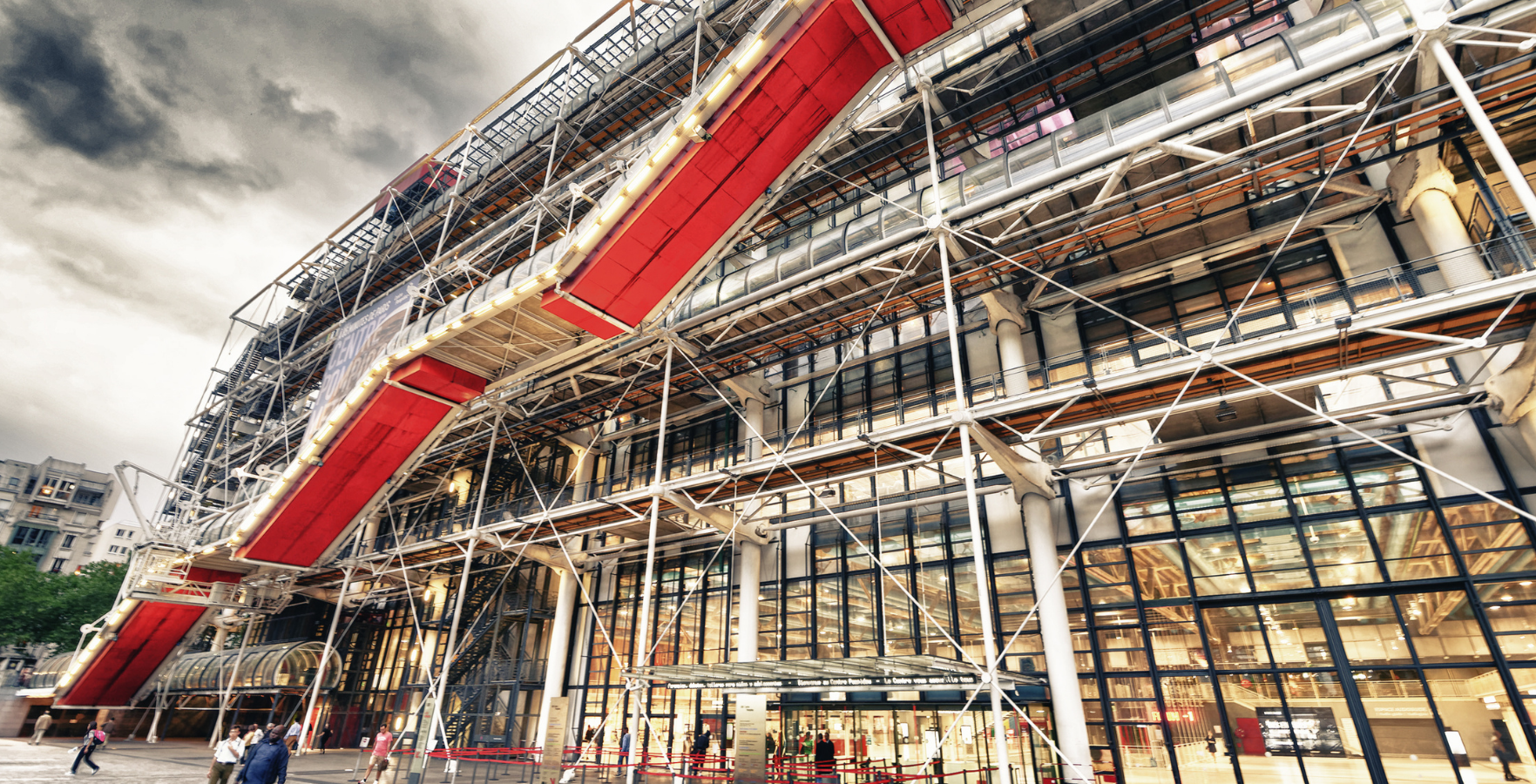
Designed by Renzo Piano (the same architect behind The Shard in London), this huge, colourful building is a cultural hub which features collections and exhibitions of contemporary art as well as shows, debates and activities. It is closed until 2030, however, as it undergoes a renovation.
Nightlife
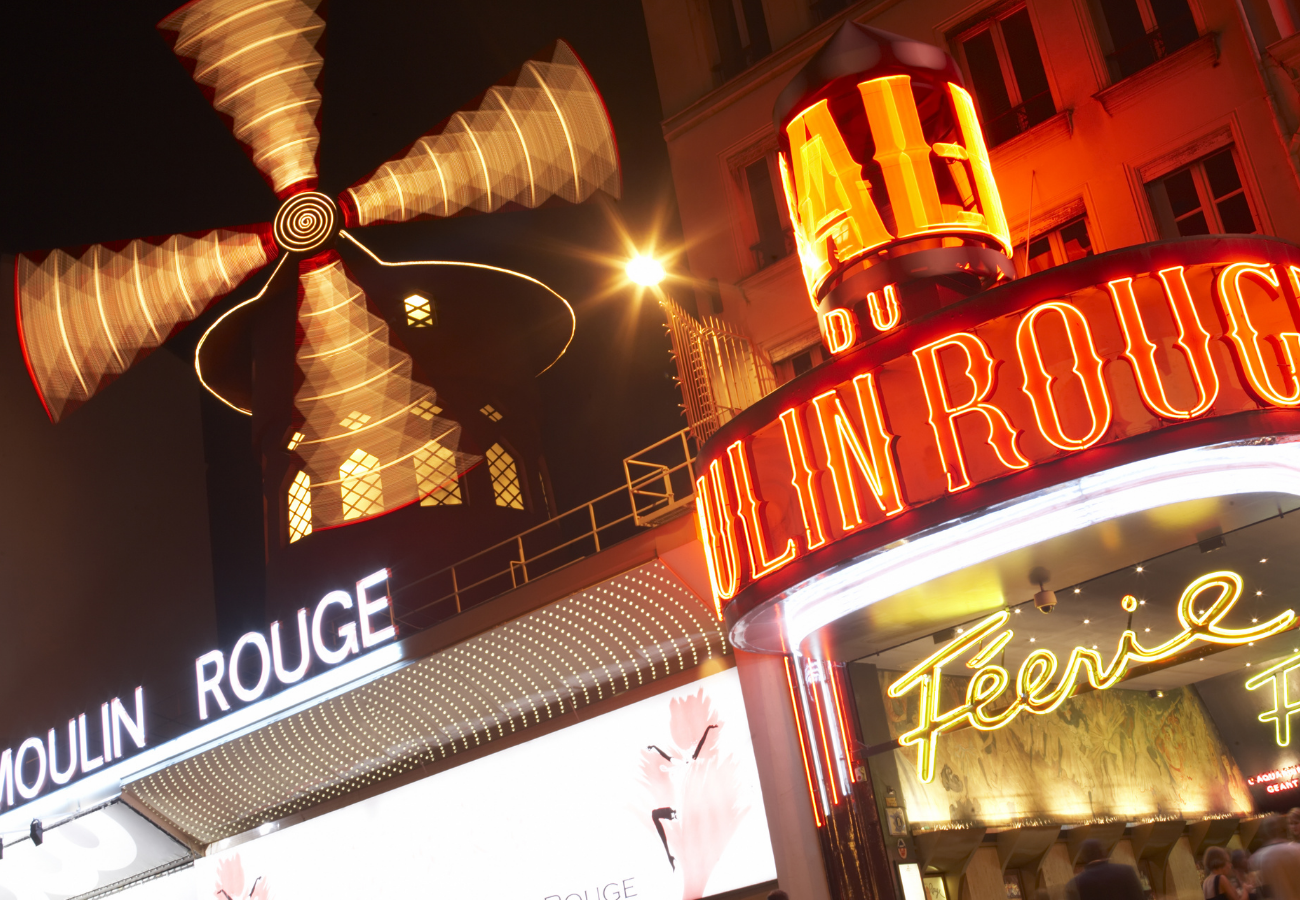
If your French is advanced enough, and you feel comfortable speaking it with strangers in Paris, the city's famous nightlife scene provides some of the best opportunities to engage in conversation. While nightclubs such as Rex Club and La Machine du Moulin Rouge tend to be on the louder side - meaning there won't be much chance to practise your speaking skills, and that your listening skills will need to be highly attuned if you're to determine whether the bartender is asking whether you want ice in your drink - Paris' many bars and bistros are ideal for relaxed socialising.
Some of the best spots include:
Le Marais
If you want a good cocktail, Le Marais is the place to go. It's also the hub for LGBTQ+ nightlife.
Oberkampf
Perfect for laid back, more affordable bars that still have a classy atmosphere.
The Latin Quarter
The Latin Quarter is on the more touristy side, but is ideal for those who enjoy live music, and anyone wanting to enjoy a meal and after-dinner drinks and dancing in the same place.
A final note
Speaking French when you're not quite fluent can be daunting, but don't be afraid to practise in front of the locals. They will more than likely be willing to help you practise and will be flattered that you're making the effort to speak French with them.
Of course the areas on this list are more popular with tourists, and staff and residents will be used to speaking with non-natives, often in English. If you're feeling more confident and your French is more advanced, particularly if you're past C2 level, you may want to spend some time in the less touristy parts of the city, such as Butte-aux-Cailles or Belleville, which still possess incredible charm and showcase the best of what Paris has to offer while offering a quieter, village-like respite away from the hustle and bustle of the city centre.
Want to brush up on your speaking skills before the visiting Paris? Make sure to sign up for our Speaking Practice classes. Ranging in level from A1 to B2 of the CEFR, each class is meticulously designed to teach you new words and expressions, improve your pronunciation, and make speaking French second nature in a supportive and interactive environment alongside fellow learners.
If you're at a more advanced stage in your French speaking journey and want to practise organic conversations with fellow learners, be sure to sign up for our Conversation Club.
Check out some of our other blog posts!
The history of Paris métro
Posted on by Josh in the french culture categoryDiscover the history behind one of the world's busiest subway systems
Read the blog
A guide to Paris' arrondissements
Posted on by Josh in the travel & tourism categoryParis has twenty arrondissements, and each of them is remarkable in its own way
Read the blogHave fun learning French Today
People from all over the world enjoy learning French with Alexa Polidoro’s popular French audio and video lessons.